


Explore The Materials Library
This resource was created with the hope that designers, architects, engineers, construction firms, artists, product developers, and anyone in the creative industries will have new resources and tools to promote the creation of products and construction that contribute to a circular economy.
The SFSU Sustainable Materials Library is open to the SFSU community and the general public. Whether you're a designer seeking inspiration, an engineer sourcing responsible material, or simply curious about what the future is made of — come see it for yourself. The physical library at the San Francisco State University campus, Humanities Building 130, as well as this online resource is available for the public to access and learn from an evolving collection of sustainable materials that support creativity, research, and environmental stewardship.


Utensil
Agave Based Plastic
Agave plastic is a sustainable bioplastic made from the waste fibers of the agave plant, often leftover from tequila or syrup production. The fibers are processed and blended with biopolymers to create a durable, compostable alternative to traditional plastic. Because it's made from agricultural waste, agave plastic helps reduce landfill waste and reliance on petroleum-based plastics, offering a lower-carbon and more circular alternative.


Foam/rubber
Algae Rubber
Rise by Bloom algae rubber is your environmentally conscious, high performance replacement for traditional. petroleum-based EVAs. Foams utilizing using Bloom's algae technology deliver a striking performance value which make them excellent replacements for conventional foams. Algae's natural thermoplastic qualities allow Rise to meet, and in some cases exceed performance characteristics of conventional closed-cell flexible foams.

Yarn
Alpaca Wool
Alpaca wool is a soft, lightweight fiber spun from the fleece of alpacas, native to the Andes Mountains of South America. Renowned for its silky texture and exceptional warmth, alpaca yarn is hypoallergenic due to its lack of lanolin – making it ideal for sensitive skin. It is stronger and warmer than sheep's wool and has a natural luster that gives finished garments a beautiful sheen. Alpaca yarn is both durable and breathable, ensuring long-lasting comfort and elegance.

Construction Materials
Aluminum [Recycled] Alloy
Aluminum Alloy
Aluminum is the most abundant metal in the Earth's crust, accounting for 8% of the planet's solid surface. Made from refining bauxite ore, it can be endlessly recycled without losing quality. The material is light-wieght, rust free, and heat resistent. A vital component of every part of our lives, current applications are for smartphones, kitchen utensils, electrical lines, and airplane parts."

Straws
Avocado Pit Straw
Made from the pits of avocados, these straws are 100% plant-based, biodegradable, and compostable. They are a sustainable and environmentally-friendly alternative to plastic straws and typically take 180–240 days to biodegrade. Avocado pit straws can be used with hot or cold drinks, and won't crack, warp, or dissolve while using. The avocado pits are rescued & recycled to keep the carbon footprint low. Current companies that produce avocado pit straws are Biofase, HARDCORE, and Ecoware."

Charcoal Fuel
Bamboo Charcoal
Bamboo charcoal is environmentally friendly and beneficial for the earth for many reasons: it is a renewable resource, reduces pollution, and contributes to reduced deforestation. The harvest rate is three years and requires mineral water to grow. Bamboo charcoal burns longer and produces less smoke and air pollution than standard charcoal. The natural material is used in various ways: observing odors, air purification, water purification, skin care, fertilizer, and many more.

Comb
Bamboo Comb
MRD's Bamboo Comb is both recyclable and sustainable, making it an eco-friendly alternative to traditional plastic combs. Made from natural bamboo, it is biodegradable, renewable, and requires far fewer resources to produce. Bamboo grows rapidly without the need for harmful chemicals, and its durability ensures a long product life. At the end of its use, the comb can be composted or recycled, reducing landfill waste.

Bamboo Fabric
Bamboo Fabric
Bamboo fabric is a soft, breathable textile made from the pulp of bamboo plants. It is naturally antimicrobial, moisture-wicking, and hypoallergenic, making it an excellent choice for clothing and bedding. As one of the fastest-growing plants on Earth, bamboo requires no pesticides, minimal water, and regenerates quickly after harvesting without replanting. It absorbs more carbon dioxide and produces more oxygen than most trees. Bamboo fabric is biodegradable, reducing long-term textile waste and offering a truly sustainable alternative to conventional fabrics.

Medical Supplies
Bamboo Fabric Bandages
Composed of a flexible fabric made out of bamboo fibers, bamboo fabric bandages are a great alternative to the traditional fabric and plasatic bandages. Unlike the traditional plastic bandages, bamboo fabric bandages are latex-free which lends itself to being 100% biodegradable.

Bamboo floss
Bamboo Floss
Bamboo floss from Bamboo Switch is a biodegradeable floss made from bamboo fiber, candellila plant wax and essential tea tree oil. This product is fully compostable and designed to reduce plastic waste offering a simple sustainable for those who wish to reduce their environmental footprint.

Straws
Bamboo Straw
A bamboo straw is a biodegradable and compostable material. Made from the hollow stems of mature bamboo plants, the bamboo is harvested, cleaned, cut into straw sized lengths and then sanded and polished to create a smooth, reuseable drinking straw. Because no chemicals or synthetic materials are required in the process, bamboo straws are a natural and sustainable alternative to plastic straws.

Utensils
Bamboo Utensils
Bamboo plastic products are ecofriendly alternatives to single-use plastics. Being one of the fastest growing plants, requiring minimal water, and no pesticides, bamboo is great resource for everyday items. It's durable, biodegradeable and naturally anti-microbial, which is why making utensils from this material is so useful. By choosing reusable bamboo, consumers can contribute to reducing plastic pollution and promoting responsible consumption.

Construction materials
Bamboo Wood
Bamboo wood is an excellent example of a sustainable material. It is one of the fastest-growing plants in the world, with some species capable of growing up to 91 cm (35 inches) in just one day. This rapid growth makes bamboo a highly renewable resource that can be harvested in large quantities without depleting the plant's population or damaging the environment. Bamboo wood is highly durable and long-lasting, making it a practical choice for construction, furniture-making, roofing, and flooring.

Fabric
Bananatex Fabric
Bananatex fabric is derived from the fibers of the abacá banana plant. Native to the Philippines, the abacá plant is grown and transformed into a biodegradable and plastic-free fabric. The abacá banana plant is well known for its self-sufficiency, requiring no pesticides in the process of growth. The strength of the fibers derived from the abacá plant is highly valued, cultivating a durable fabric. The Bananatex fabric offers a sustainable alternative to the synthetic fabrics commonly used today.

Waterproofing, cosmetics
Beeswax
Beeswax is a by-product of honey production and is a natural, organic alternative to synthetic, mineral oil-based waxes and other products. It has a variety of uses, such as for candle production, rust prevention, polishes, and lubricants. As a renewable and biodegradable resource, beeswax is widely used in sustainable food wraps, replacing single-use plastic. It is also used in natural cosmetics, wood preservation, and eco-friendly leather conditioning, making it a versatile and environmentally responsible material.

Textiles
BioYarn
Created from alginate, bio-yarn is one innovation that is serving to decrease the fashion industry's pollution levels. The material is an alternative to synthetic materials such as polyester and acrylic, as well as an alternative for resource-intensive materials such as cotton and viscose. It's stretchy and strong enough to knit or crochet, making it an efficient material for sustainable apparel.

Bio Plastic Bag
Biodegradable Plastic Bag
Biodegradable plastics offer strength, are lightweight, offer a wide range of colors, and are relatively affordable. When it comes to what they are derived from, they are usually made from crude oil, other recycled plastics, or recovered energy from incineration. The process to recycle these plastics can be reduced to three steps. Biodegradable plastics start off as monomers, go through polymerization, then finally undergo extrusion to take the shapes of the things we see today.

Biodiesel
Biofuel
Biofuels are a renewable energy source derived from organic materials such as plants, agricultural waste, and algae. Unlike fossil fuels, biofuels produce significantly lower carbon emissions, helping to reduce the overall carbon footprint. They are biodegradable and can be produced from waste materials, minimizing landfill contributions. As a sustainable alternative to traditional fuels, biofuels support energy independence, promote circular economy practices, and play a vital role in combating climate change.

Furniture
Birch Wood
Birch wood is sustainable because it grows quickly, regenerates naturally, and can be harvested with minimal environmental damage. Its ecological footprint is further minimized when sourced from certified, responsibly managed forests. It is often used in furniture, plywood, cabinetry, and veneers, meaning almost the entire log can be utilized, which reduces waste.

Building Material
Black Cherry Wood
Black cherry reclaimed wood (scientific name Prunus serotina) is a premier American hardwood prized for its deep reddish-brown patina and exceptional stability. Unlike new cherry, which starts as a light pinkish-tan, reclaimed black cherry often arrives with its natural darkening process already well-advanced due to years of oxidation and light exposure.

Wallet
Cactus Leather
Cactus leather is a sustainable vegan leather made from cactus as an alternative to animal leather. Cactus leather helps reduce the environmental impact of animal leather and promotes sustainability in the leather industry. Cactus is grown without the use of irrigation or pesticides, requiring very little water; this drastically reduces the environmental impact of the leather-making process.

Plastic Substitute
Castor Oil Bioplastic
Rilsan® Clear transparent polyamides derived from castor oil beans are high-performance materials used for transparent applications in eyewear, consumer goods, consumer electronics, industrial equipment, healthcare devices, and home appliances. Chemical resistance, mechanical strength, and perfect light transmission are amongst their major benefits.

Packaging
Cellophane Natureflex Packaging Film
Natureflex TM is a range of specialty packaging films developed by Futamura to offer packaging material options that give strong environmental support towards increasing consumer demand for more environmentally responsible packaging. These biofilms are based strongly on renewable resources (wood pulp from managed plantations) and are certified to the European (EN13432) and American (ASTM D6400) norms for industrially compostable packaging.

Cardboard/paper/packaging
Cellulose cardboard
Cellulose, found in plant cell walls, breaks down easily due to its chemical structure. Cellulose is biodegradable because tiny organisms can break it down into harmless substances. This natural process helps return nutrients to the soil, keeping ecosystems healthy and reducing waste buildup. Common objects made of cellulose include paper, cardboard, cotton, and certain types of biodegradable plastics.

Cleaning product
Cellulose sponge
Cellulose sponges are an eco-friendly alternative to synthetic sponges, made from the natural fibers of wood pulp. Fully biodegradable and compostable, they break down naturally at the end of their life cycle, leaving no harmful residue. Unlike petroleum-based sponges, cellulose sponges are free from toxic chemicals and are highly absorbent, durable, and reusable. Their production requires fewer fossil fuels, making them a sustainable and responsible choice for everyday household cleaning.

Fabric
Coconut Coir Fabric
Sustainable coconut fabric is made from coconut coir, the fibers found between the outer shell and husk of a coconut. Known for its durability and versatility, it is used in textiles, ropes, mats, clothing, and many eco friendly products. Coconut fabric is entirely vegan friendly and plant-based. It is also recyclable and biodegradable, decomposing naturally or being repurposed for other uses like gardening materials. The sustainability depends on minimal chemical processing during production as well.

Cleaning product
Coconut Husk (Coir)
Sponge
Coconut husk, also known as Coir, was seen as a waste product. Currently, the raw material has been turned into home goods, agriculture, and alternative wood products. Scrub Daddy EcoMesh Scrubbers are made from coir and recycled materials. This material is 100% biodegradable and made in the USA.

Cleaning product
Coconut Husk+Cellulose Scrubber Sponge
Coconut husk and cellulose are both sustainable materials due to their natural abundance and biodegradability. Coconut husk, a byproduct of coconut processing, can be repurposed into eco-friendly products like brushes, mats, and packaging. Cellulose, derived from plant fibers, is renewable and can be used to create biodegradable plastics and paper alternatives. They decompose naturally, reducing landfill buildup and environmental harm.

Bowl
Coconut Shell Tableware
This bowl was handcrafted by Nariyal, an organization dedicated to repurposing coconut waste into sustainable alternatives. Using discarded coconut shells and reclaimed wood from naturally fallen trees, Nariyal creates eco-friendly tableware and other daily-use products with purpose and care.

Bio plastics
Coffee Grounds Bioplastic
Coffee grounds bioplastic is a sustainable material that repurposes discarded coffee bean dregs as its primary raw material, reducing waste and promoting sustainability. The material uses organically grown coffee bean grounds and retains the natural color and rustic texture of the beans while offering a subtle, gentle coffee aroma. This innovative bioplastic showcases how everyday waste can be transformed into functional, aesthetically pleasing, and environmentally conscious materials.

Building material
Coffee Grounds Composite
GRND, a material invented by designer Yulan Zhang is a rigid biomaterial composite made from discarded coffee grounds and agar. Sourced from San Francisco’s coffee waste stream, it transforms a single-use byproduct into a durable material through drying, grinding, and heat-curing. Its warm tone and natural grain make it suitable for wall panels, acoustic tiles, partitions, lighting, and small objects. Fully biodegradable, GRND supports a closed-loop cycle: from café waste to composite, then back to the earth.

Building Material
Composite Decking
Trex composite decking is a sustainable building material made from 95% recycled materials, including reclaimed wood fibers and recycled plastic film such as grocery bags and packaging. The manufacturing process involves blending these materials, heating and molding them into durable boards, which require no painting or sealing. This not only diverts over a billion pounds of waste from landfills annually but also eliminates the need to harvest new timber. Beyond decking, similar wood–plastic composites are used in fencing, outdoor furniture, siding, window frames, automotive interiors, and even marine docks, offering a long-lasting, low-maintenance, and eco-friendly alternative to traditional wood.

Fabrication
Cork
Made from the outer bark of a cork tree, cork is one of Earth's most sustainable materials, considering it is 100% natural, bio-based, reusable, and recyclable. Cork is self-regenerative and does not contribute to deforestation; trees are not cut down or harmed in any way throughout the extraction process.

Container material
Corn Cob Crates
Cobric Crate by designer/inventor Zixu Guo is a bio-based agricultural transport crate made from pressed corncob waste, designed to replace conventional plastic farm crates. After corn processing, discarded corncobs are transformed into durable panels and assembled into modular crates for harvesting, storage, stacking, and transportation. By turning agricultural waste into a functional material, Cobric Crate creates a circular system that reduces plastic use while supporting more sustainable agricultural logistics and product handling.

Cooking and crafts
Corn Husk Craft & Culinary Material
Corn husks have been vital in Indigenous cultures for crafting, cooking, and ceremonies, symbolizing resourcefulness and a connection to nature. As a renewable, biodegradable byproduct of corn, they reduce waste and serve as eco-friendly alternatives for crafts, biofuel, and more, showcasing their historical and sustainable significance.

Packing Peanuts
Corn Starch Packing Pellets
Corn starch is a sustainable material that embodies many eco-friendly qualities. Corn starch production generally involves lower greenhouse gas emissions compared to the extraction and processing of non-renewable resources. When discarded, it breaks down naturally over time, returning to the earth without leaving behind harmful residues. Corn starch can be used in a variety of applications, such as biodegradable packaging, bioplastics, and as a thickening agent in the food industry.

Packaging
Cotton Beeswax Food Wrap
Bee's Wrap is a natural alternative to plastic wrap, made by infusing organic cotton with beeswax, plant oil, and tree resin. It was created to help people reduce waste and store food more sustainably. The wrap is durable, reusable, and compostable, making it a practical choice for kitchens and lunchboxes alike. Inspired by the hardworking nature of bees, Bee's Wrap encourages small everyday changes that support a healthier planet.

Textile
Cupro Recycled Cotton
Cupro is made of recycled cotton linter. Taking all the cotton fibers that are traditionally thrown away because they are too small to be spun into cotton fabrics. Once it is spun, it is made into a smooth and shiny material that is great as a lining for clothing articles such as jackets, but since it is more expensive, it tends to be a part of the luxury scene.

Clothing/Accessories
Dragonfin Fish Leather
INVERSA Dragonfin fish leather is derived from the invasive Dragonfin located in the Mississippi and outcompeting nearly all native species, plus degrading the water quality from the Great Lakes to the Gulf of Mexico. Dragonfin leather offers a combination of durability and elegance with its distinctive texture and natural sheen, and is favored by designers for its versatility in creating upscale accessories and statement pieces, all while contributing to environmental conservation efforts.

Draft and decorative uses
Driftwood
Driftwood is wood that has been washed ashore from a sea, lake, or river due to winds, tides, or waves. It can be used for a wide variety of decorative and practical purposes, particularly in coastal and rustic home decor. It can be used to create wall art, furniture pieces, lighting fixtures, and mirror frames. Driftwood can also be useful for things like garden decor, aquariums, and even as a source of firewood.

Construction material
Eggshell Stone Bricks
From Breakfast to Brick is a resource-first closed-loop project by designer Hayley Lin that transforms local food waste into sustainable building modules. By salvaging eggshells from The Choclo and community members—including unique natural pigments from Minjun, Frieda, and Stacy—this initiative upcycles bio-calcium into high-density mineral blocks. Utilizing a precise 13.6:1 Golden Ratio (120g powder to 9g gelatin) and an indirect heat water bath method, the resulting material achieves a 95% bio-calcium carbonate content with stone-like durability.

Tiled surfaces
Eggshell Tiles
Eggshells are a by-product of the food industry. Each year, around 250,000 tons of chicken eggshell waste is produced worldwide. NatureSquared® has repurposed eggshells to create sustainable eggshell tiles. The eggshells are crushed into defined fragment sizes, dyed, and then mixed with a high-bio-content binder; the binder accounts for 20% of the finished product. Finally, they're sealed with a protection coating and cured at room temperature to produce an ecologically sustainable square meter of tile. These tiles can be applied to walls, including wet areas in kitchens and bathrooms.

Textile
Eucalyptus Eucortex Leather
Eucortex is a novel textile that utilizes eucalyptus tree waste to create a flexible, versatile material capable of fulfilling many of the same functions as traditional leather and leather alternatives. Eucortex keeps foliage off of the forest floor where it poses a fire risk and out of landfills, trapping carbon longer and delaying the release of greenhouse gasses.

Crafts/Makeup/Decor
Eucalyptus Glitter
Glitter without the litter! Biodegradable glitter is an eco–friendly alternative to conventional plastic–based litter. Made from cellulose film derived from the bark of farmed, non–GMO eucalyptus trees, this natural glitter is cosmetic grade and safe for the skin. It is perfect for eco–conscious arts and crafts projects, offering sparkle without harming the planet.


Fabrics
Flax Linen
Flax linen is a textile crafted from the flax plant, scientifically known as Linum Usitatissimum. This fabric is derived from the plant's stem, which categorizes it as a natural bast fiber. Flax is renowned for its rarity and superior quality. Flax is often considered a more sustainable choice as it has a lower detrimental impact on the environment. Among the stages in the life cycle of a linen garment, flax cultivation stands out as the least resource-intensive in terms of water and energy consumption.

material use
Garlic Peel Paper
Garlic peel paper is a sustainable, eco-friendly alternative to wood-pulp paper made from the papery outer layers of garlic, which are rich in cellulose. It is created by pulping the skins—sometimes blended with recycled paper—to produce textured, biodegradable paper often used for specialty stationary, eco-packaging, and crafts

Packaging Material/Paper
Glassine Paper
Glassine is a glossy, translucent paper made from the wood pulp of hardwood trees like Aspen, Oak, Birch, and gum. Glassine is naturally biodegradable, pH neutral, acid-free, and curbside recyclable, as well as resistant to moisture, air, and grease, which makes it an ideal eco-friendly alternative to plastics, films, and foils, helping you to reduce packaging waste.

Upholstery
Grape Leather
Vegea grape leather is a bio-based material produced in Italy from the processing of grape skins, stalks and seeds derived from wine production. This innovative material has been featured in products by iconic brands such as Calvin Klein, H&M, Bentley, Diadora, and Serapian. Vegea is 1.1mm thick and has a soft backing made out of recycled polyester.

Fabric
Grape Leather
Vegea grape leather is a bio-based material produced in Italy from the processing of grape skins, stalks, and seeds, derived from wine production. This innovative material has been featured in products by iconic brands such as Calvin Klein, H&M, Bentley, Diadora, and Serapian. Vegea is 1.1 mm thick and has a soft backing made out of recycled polyester.

Hempcrete
Hemp Concrete
Industrial hemp makes a fantastic building material. Hempcrete offers many upsides compared to other building materials, such as regular lumber. Hempcrete is a sustainable building material that is not weight-bearing. Hempcrete helps to control temperature, humidity, and, along with other things, removes CO2 from the atmosphere.

Hemp Paper
Hemp Paper
Paper produced entirely or mostly from the fibers of the hemp plant is known as hemp paper. Hemp paper is also significantly more durable than paper produced from wood pulp. It does not yellow or crack as easily as wood paper. Ancient remnants of hemp paper testify to its durability. Hemp paper is a natural substitute for the special acid paper used for conserving important documents.

Hemp Wool
Hemp Wool
A natural fiber thermal insulator, Hemp Wool helps reduce humidity and improve air quality. This material is 90% natural fibers and non-allergenic; it reduces greenhouse gases and is recyclable and compostable. Hemp wool requires minimal pesticides and little water to grow, making it a highly sustainable crop. Its long lifespan and biodegradability further reduce environmental impact, supporting a circular economy.

Candle
Hope
"I like to envision the whole world as a jigsaw puzzle … If you look at the whole picture, it is overwhelming and terrifying, but if you work on your little part of the jigsaw and know that people all over the world are working on their little bits, that's what will give you hope."
– Jane Goodall

Ceramic/Decor Projects
Jesmonite BioResin
From cladding to coasters, Jesmonite offers an eco-friendly solution for artists, manufacturers, and architects seeking sustainable materials for various applications. Crafted from water-based acrylic resins and inert fillers, Jesmonite prioritizes sustainability by eliminating volatile organic compounds (VOCs) and harmful solvents common in traditional resin-based materials, while also minimizing waste generation during production. Its versatility allows it to mimic textures such as stone, metal, wood, leather, and fabric, offering a wide range of design possibilities.

Paper sheets
Junkmail Recycled Paper with Garlic
Recycled paper with garlic is part of the PaperEvolution note sets from Green Field Paper Company. It is derived from blending 100% recycled paper, sourced from the junk mail from the Green Field Paper Company. This particular recycled paper contains visible pieces of garlic skins from Gilroy, California, dispersed throughout the sheet of paper.

Jute fabric sample
Jute
Jute fibre is 100% bio-degradable and recyclable, and thus environmentally friendly. A hectare (2.47 acres) of jute plants consumes about 16.5 tons of carbon dioxide and releases 12.1 tons of oxygen. Cultivating jute in crop rotations enriches the fertility of the soil for the next crop. Jute also does not generate toxic gases when burnt.

Sustainable Wood
Kebony Wood
Kebony wood is a sustainable material made from FSC-certified Scots Pine (Pinus Sylvestris) and treated with a bio-based solution from agricultural waste. This process enhances its durability, stability, and water-resistance, giving it the performance of tropical hardwood. Ideal for decking and facades, Kebony is a more eco-friendly choice with a reduced environmental impact.

Packaging
Kelpi Kelp Plastic
Kelpi Kelp Bioplastic is a revolutionary, sustainable material derived from seaweed, one of the world's fastest-growing natural resources. Kelp requires no freshwater, fertilizers, or arable land to grow, making it an exceptionally low-impact crop. As a bioplastic, it is fully biodegradable, breaking down naturally without releasing harmful toxins. Kelpi actively absorbs carbon dioxide while growing, helping to reduce greenhouse gas emissions and supporting healthier ocean ecosystems.

Apparel + furniture
Kombucha Leather
Kombucha leather is a biomaterial made from harvested scoby or symbiotic culture of bacteria and yeast. The scoby is a component of the fermentation process of kombucha tea. The extracted scoby is molded into cellulose tissue sheets, then set out to dry. Different drying methods offer marble, speckled, and textured effects. This material can be used to create apparel and furniture.

Apparel + furniture
Kombucha Leather II
Kombucha leather is a biomaterial made from harvested scoby or symbiotic culture of bacteria and yeast. The scoby is a component of the fermentation process of kombucha tea. The extracted scoby is molded into cellulose tissue sheets, then set out to dry. Different drying methods offer marble, speckled, and textured effects. This material can be used to create apparel and furniture.

Clothing/Accessories
Lionfish Leather
Is a unique, sustainable material made from the hide of a lionfish. This predatory fish is native to the Indo-Pacific region and is known for its striking appearance and venomous spines. Lionfish leather is gaining popularity as an eco-friendly alternative to traditional leather. It offers a luxurious texture and durability, making it suitable for various fashion accessories. Additionally, using lionfish leather helps control their population, which is considered invasive in some areas.

Paper
Lokta Paper
Made from the bark of regenerative shrubs, Lokta paper is a durable, eco-friendly material native to Nepal. Resistant to tearing, humidity, and insects, it has long been used for religious texts and government documents. Today, it's also popular for prayer flags, bookbinding, wallpaper, origami, and wrapping paper for incense and spices, combining tradition with modern creativity.

Washing
Luffa Plant Sponge [Loofah]
A loofah sponge is a natural, eco-friendly alternative to plastic sponges. It comes from the dried insides of a plant called Luffa. Since it's made from plants, it's biodegradable and doesn't create waste like synthetic sponges. You can use it for cleaning or scrubbing, and when it's worn out, you can toss it in the compost instead of the trash. Simple, sustainable, and good for the planet!

Textile
Lyocell Fabric
Tencel is a premium, eco-friendly fabric crafted from sustainably sourced wood pulp, primarily from eucalyptus, beech, and spruce trees. Produced through a closed-loop process, it minimizes waste and conserves water, making it an excellent choice for conscious consumers. Renowned for its softness, breathability, and strength, Tencel is ideal for clothing, bedding, and more. Biodegradable and versatile, it combines luxury with sustainability, offering a greener alternative to traditional textiles.

Fabric and thread
Lyocell Fiber
Lyocell fibers are created from sustainably sourced pulp that is biodegradable, recyclable, and compostable, due to its cellulosic origin. The production involves dissolving wood pulp in an oxide N-methyl morpholine solution and extruding it into a diluted NMMO solution, resulting in the precipitation of cellulose. Post-extrusion, the fibers undergo washing, drying, and cutting to yield the final Lycell fibers. Special thanks to Tacony Corporation for their generous donation.

Fashion/Clothing and Accessories
Mango Leather
Mango leather is a sustainable and vegan alternative to traditional leather made from mango fruit waste, such as peels and seeds. The fibers are processed and combined with other natural materials to create a durable leather-like material used in fashion items like bags, shoes, and clothing accessories. It offers a cruelty-free and eco-friendly option for those seeking alternatives to animal leather.

Fabric
Modal Fabric
Modal is a fabric made from beech trees and was first introduced in Japan in 1951. The fabric was created as an alternative to silk as it's more affordable and it's biodegradable and compostable. The fabric is popular for being used for loose-fitting garments such as pajamas. Multiple brands use this product, but the leading brand is Lenzing, as their mission is to provide the most sustainable materials.
Fabric
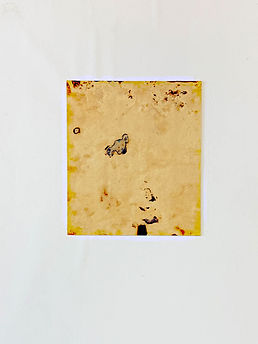
Mushroom Mycelium Leather
Mushroom leather is a vegan-friendly, sustainable alternative to animal leather that's made from mycelium, the vegetative part of a fungus. How is it made? Mycelium is flattened into a fabric to make leather. For example, MycoWorks combines mycelium with sawdust from sawmills in trays. The sawdust decomposes, developing into a thin sheet. It's animal- and environment-friendly, and it's lighter than animal leather. Fun fact: It smells way better than any other type of leather.

Packaging
Mushroom Packaging
This biomaterial is a styrofoam packaging alternative made from mycelium roots and hemp hurd called MycoComposite™. The product is grown in a 3D-printed mold to get its shape. This allows companies to buy ready-made packaging, or they can get custom-made packaging. The growing process takes seven days. To compost it, you just have to put it in the ground and add water, which will make it decompose in about 45 days. It has a shelf life of 30 years. It's flame and water-resistant. It is just as strong as styrofoam, and It is ocean-safe.

Textile
Muslin Fabric
Muslin fabric, traditionally handwoven from cotton, is a highly sustainable textile due to its natural fibers, biodegradability, and minimal production footprint. Originating in Bangladesh, Muslin is crafted using traditional weaving techniques, often involving organic cotton and local artisanship. Its lightweight and durable properties make it eco-friendly and versatile, with production practices that support local economies and reduce environmental harm.

Construction material
Mycelium Composite Construction Material
Mycelium composite is derived from construction waste and mushroom mycelium to create an environmentally friendly and low-impact construction material. This material could be produced using construction waste as well as other biomaterials to both recycle and upcycle into a structurally sound and strong composite.
Graciously donated by Redhouse Architecture Studio, http://www.redhousearchitecture.org/

Natural Adobe Bricks
Adobe Bricks are composed of a mixture consisting of 1 part clay-rich soil, 2 parts course sand, 1/2 part straw or dead grass, and enough water to bring the mixture's consistency to something that resembles cookie dough. The mixture is poured into a mold and allowed to dry in the sun for several days to weeks. Adobe bricks can be used to create thin, structural walls that are supported by either wood or bamboo.

Clay
Natural Air-Dry Clay
Air Dry Clay includes a variety of components such as fibers, glue, and water. However, its main ingredient is natural clay. People use air dry clay for different purposes, such as sculpting, carving, creative decorative objects, and fine detail work. This clay is also great for model-making. It is non-toxic, easy to use, and dries easily when exposed to air.

Sample Sheet
Newspaper wood
Created by reusing hundreds of old newspaper sheets and bonding them together with environmentally friendly glue. The paper resembles the many rings in a tree's growth, giving it an organic feel. This wood has been used to create a variety of products, including cabinets, jewelry, desks, and chairs.

Floss
Ocean-Bound Plastic
The term "Ocean-Bound Plastic" refers to the portion of plastic waste with a high likelihood with a high likelihood of ending up in our oceans. The novel concept of focusing on plastic waste within 50 KM of the coastline has gained significant traction in recent years as a means of specifically targeting this water-bound waste, which has, thus far, amounted to 8 million metric tons. By focusing on collecting and repurposing this plastic, we can vastly reduce the amount that ends up floating in the sea. This floss is spun from recycled water bottles and 100% naturally scented.

Fabric/clothing
Orange Fiber
In partnership with the Lenzing Group, a leading global producer of wood-based specialty fibers, Orange Fiber IT has created a new sustainable ingredient for fashion: the first TENCEL™ branded lyocell fiber made of orange and wood pulp. Produced according to the highest quality and sustainability standards, the innovative fiber is at the origin of the new Orange Fiber collection of fabrics.

Fabric/clothing
Organic Cotton
Organic cotton is a sustainable and environmentally friendly alternative to conventional cotton, which is known to be one of the most polluting crops in the world. Organic Cotton can reduce greenhouse gas emissions and reduce water usage. By choosing organic cotton, we can help to support sustainable agriculture and reduce the negative impacts of conventional cotton production on the environment.

Fabric
Palm leather
Palm leather is a biodegradable, plant-based material typically made from fallen palm leaves, offering a low-impact and cruelty-free alternative to animal leather. It supports circular economy principles by using agricultural waste, but may lack the durability and scalability of conventional leathers. While promising for sustainable fashion, its overall environmental benefits depend on processing methods and responsible sourcing.

Straws
Pasta Plant Straw
While not made from actual pasta (to avoid a starchy output), ImPasta is a plant-based alternative to single-use plastic straws. Made of a biodegradable blend of seeds and grains, this gluten-free alternative is 100% compostable and will last in your drink for up to two hours! 2% of sales goes towards securing our planet, and 1% is allocated to reforestation efforts on land, and 1% is dedicated to cleaning our oceans.

Pigments for paint
Pigments: Natural Earth & Mineral Paint
Natural earth and mineral pigments are eco-friendly and sustainably harvested from around the world. They contain no added fillers, additives, preservatives, stabilizers, or heavy metals. The ultramarine blue pigment is composed of 90% earth and clay and 10% manmade, non-toxic minerals, and it is heated in an oven to a high temperature. Use these pigments for painting on various surfaces or even for dyeing fabric.

Apparel/Seat Covers
Pinatex Pineapple Leather
Pinatex is produced from the waste leaves of pineapples after harvest and does not require additional water, pesticides, or fertilizers in its manufacturing process. The material is specifically created from the long leaf fibers of the plant, and whatever is left over from this process is used as fertilizer; every part of the plant is used in this process. Pinatex is regarded as a leather, but technically it's a bioplastic. Pinatex is primarily used for clothing and accessories.

Packaging
Potato Peel [recycled] Packaging
Peel to Shield is a circular packaging system crafted from 80% repurposed potato peels and 20% recycled fiber. By leveraging natural polysaccharides inherent in potato waste, the material achieves structural bonding without synthetic adhesives. Paired with origami-based mechanical logic, the "Pepi" pack offers a fully compostable, moisture-resistant alternative to traditional fast-food packaging. Designed to match a meal’s ephemeral 10-minute lifespan, it returns to the soil as nutrients within 60 days.
Packing Peanuts
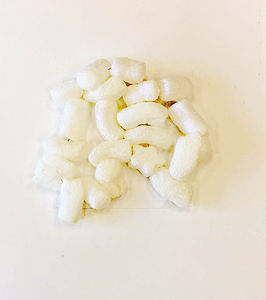
Potato Starch Peanuts
Potato starch is a revolutionary alternative to traditional plastic packing materials. Unlike the non-biodegradable and non-recyclable packing peanuts of the past, potato starch peanuts are an eco-friendly solution that is fully dissolvable in water and even safe for consumption if ingested accidentally. Moreover, these peanuts are non-static, allowing them to be utilized safely with electronics during shipping. As a natural, non-toxic, and biodegradable material, potato starch peanuts may also be composted with other organic waste. By utilizing this material, we can pack and ship items in an environmentally friendly manner, protecting the planet from further harm.

Packaging
Pulped Paper Packaging
Pulped paper, or pulp, is a fibrous material made from plant fibers, which is the main. raw material used in papermaking. The way that this is made is that cellulose fibers are separated from raw materials like wood, straw, or waste paper through chemical, semi-chemical, or mechanical processes, which makes this material fully biodegradeable and recyclable. You can find pulped paper from egg cartons, food trays, and protective cushioning.

Clothing/Accessories
Python Leather
Inversa Python Leather is a sustainable material made from invasive Burmese Pythons in the Florada Everglades. By utilizing these invasive species, the production of python leather contributes to the restoration efforts of the delicate ecosystem in the Everglades, a UNESCO World Heritage Site. This innovative approach not only provides an eco-friendly alternative to traditional leather but also helps to control the population of these invasive snakes, thereby benefiting the local biodiversity.

Furniture, Home Appliances
Rattan
Rattan is a sustainable material because it grows quickly and is easy to harvest without cutting down trees. It thrives in tropical forests and helps protect them by giving people a reason to keep the forests intact. Rattan is also lightweight and strong, making it great for long-lasting furniture, which reduces waste over time.

Building Material
Reclaimed Wood Flooring
Reclaimed wood is a material with a past life that is used for a new purpose. Reclaimed wood usually comes from a variety of sources; the most common is from demolished buildings. Reclaimed lumber can take up a variety of new lives; furniture, flooring, and accent pieces are just a few examples of how reclaimed wood can be repurposed.

Building Material
Recycled Glass
Glass is 100% recyclable and can be recycled endlessly without loss in quality or purity. Recycled glass reduces emissions and consumption of raw materials, extends the life of facility equipment, and saves energy. Additionally, using recycled glass significantly lowers the temperature needed for melting, reducing carbon emissions and decreasing dependence on virgin raw materials such as sand, soda ash, and limestone.

Rubber Products
Recycled Rubber Bicycle Tires
The Rubber Impact Project tackles transportation rubber waste across the full lifecycle of inner tubes and tires, using data, media, and visual storytelling to highlight the familiar yet overlooked — and inspire action. San Francisco discards over 100,000 bicycle tubes annually — enough to wrap the Golden Gate Bridge 33 times. Inner tube rubber can be reimagined as shoelaces, clothing, tote bags, and jewelry. Keep this resource in play and support zero waste.
Building material/flooring
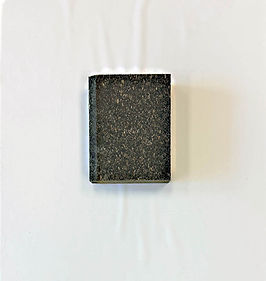
Recycled Rubber Composite
Recycled rubber composite is a sustainable material made from ground-up rubber sourced from used tires, which would otherwise end up in landfills. The rubber is cleaned, processed, and often combined with binders or other recycled materials to form a durable, flexible product used in flooring, playground surfaces, and construction materials. Rubber from tires is not biodegradable and can persist in the environment for decades. By re-purposing tire waste, recycled rubber helps reduce environmental pollution, conserves natural resources, and extends the life cycle of synthetic rubber, offering a circular and eco-friendly alternative to virgin rubber or plastics.

Paper
Rice Paper Packaging
Rice paper is a sustainable, biodegradable, and compostable material made from renewable resources like rice, bamboo, hemp, and mulberry. Unlike conventional paper, rice paper production requires minimal chemical processing, reducing harmful pollutants released into the environment. Its fast-growing plant-based sources can be harvested repeatedly without depleting natural ecosystems, making it a truly renewable and environmentally responsible choice.

Rubber products
Rubber [Natural Recyclable]
A baby teether made from 100% natural rubber. The rubber is made from liquid latex, sustainably sourced from Hevea Brasiliensis trees. Latex allergens are removed during production. This teether is both biodegradable and recyclable at the end of its lifecycle.

Building Material
Sea Urchin Shell Concrete
This hydraulic concrete by designer/inventor Bo Field is made from sea urchin shells, beach sand, and calcined kaolin clay. Fired urchin shells create a calcium-rich binder that strengthens underwater over time while absorbing carbon dioxide throughout its lifespan. The shells are sourced from kelp forest restoration efforts that remove overpopulated urchins that are damaging marine ecosystems. Designed for underwater use, the material is being developed into protective planters for juvenile kelp. It also exhibits promise for sustainable home goods, infrastructure, and ecological restoration applications.
Packaging
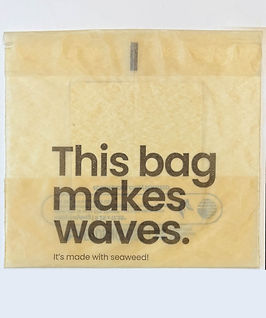
Seaweed Plastic Bags
Sway poly bags are sustainable plastic bags made from melted bio-based resin pellets, which are made of responsibly-sourced seaweed as well as compostable lpolymers. These polymers are mde of plant starch, cellulose, and other natural fibers. The plastic is translucent enough to scan a bar-code through and is ideal to replace commercial packaging. It is moisture-resistant and non-toxic. The material is designed to decompose both at home and in industrial compost.
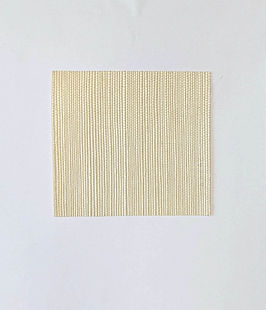
Fabric
Sisal Grasscloth
From the manufacturer, Grasscloth + More, this hand-made product is woven with natural white Sisal and plant fibers that give the product some unevenness and texture. Grasscloth shades may vary from each roll to another. Grasscloth can be used as a natural material for wallpaper, wall covering, and for your various interior design needs.

Hygiene Product Container
Soap
Sustainable soap is crafted from natural, plant-based ingredients, free from harsh synthetic chemicals and artificial fragrances that can harm aquatic ecosystems when washed down the drain. Typically packaged in minimal, plastic-free, biodegradable materials, it significantly reduces packaging waste. Many sustainable soaps are cold-pressed, consuming less energy during production. Supporting ethical sourcing and fair-trade practices, sustainable soap offers a gentle yet effective cleansing option that benefits both personal well-being and the planet.

Appliances, Jewelry
Steel [Recycled]
Recycled steel is one of the most environmentally responsible materials in modern manufacturing and construction. Producing steel from recycled scrap requires up to 75% less energy than creating it from raw iron ore, significantly reducing carbon emissions. Every ton of recycled steel saves approximately 1.5 tons of carbon dioxide from entering the atmosphere. Steel can be recycled indefinitely without any loss in strength or quality, making it a cornerstone of the circular economy.

Fabric, clothing
Straw
Straw is derived as an agricultural byproduct from harvested cereal crops such as wheat, rye, and barley. The remaining dry stalk can be used in multiple industries, such as building fabrication, clothing, and farming. This material is fast-growing, affordable, and renewable. Straw bales also are increasingly being used as a natural insulation material in construction, offering excellent thermal properties while significantly reducing a building's carbon footprint. As a fully biodegradable material, straw can also be composted at the end of its useful life, returning valuable nutrients to the soil.

Cutlery (spoons/forks/knives)
Sugarcane Bagasse Utensils
Crafted from the fibrous byproduct of sugarcane processing, known as bagasse, these spoons, forks, and knives offer an eco-friendly alternative to traditional plastic utensils and are fully compostable and biodegradable. Despite being plant-based, they are durable, heat-resistant, and suitable for both hot and cold foods.

Food container
Sugarcane Food Containers
Sugarcane fiber food container. The packaging is made of ethically sourced sugarcane fibers and pressed into molds using heat. Current applications are food packaging and textiles. As a byproduct of sugar production, bagasse would otherwise be discarded as waste, making this an excellent example of upcycling. The resulting containers are fully compostable, breaking down naturally within 60 to 90 days, significantly reducing landfill waste. Free from harmful chemicals, sugarcane packaging is also food-safe and water-resistant.

Textile
Tea Leaf Textile
This project by designer and inventor Liyun “Lee” Xue transforms spent tea leaves into a flexible biomaterial by combining them with gelatin and glycerin. Rich in natural fibers and texture, the material explores tea waste as a sustainable alternative to conventional fabrics. It has been developed into a casual bag, demonstrating how discarded organic matter can be reimagined as a functional, aesthetic product with both environmental and cultural value.

Building material
Terracotta Clay
Terracotta is a clay-based ceramic material that is typically reddish-brown in color due to its iron content. It has been used for centuries in sculpture, pottery, and architectural elements such as tiles and bricks. Terracotta is extracted from the ground and processed into clay or manufactured by blending various raw materials.

Building Material
Terrazzo Tile [Recycled]
Terrazzo is sustainable simply because of its production and installation process. Terrazzo tiles are produced using significantly less energy and generate less carbon footprint than other tiling solutions. Approximately 70% to 80% of a terrazzo tile consists of recycled and reclaimed materials. With an exceptionally long lifespan of up to 100 years, terrazzo tiles rarely need replacing, significantly reducing material waste over time. Additionally, their natural composition means they do not off-gas harmful chemicals, contributing to healthier indoor air quality and a safer living environment.

Upholstery
Tottori Leather
Tottori's fabric is a remarkable blend of sustainability and innovation, combining REPREVE recycled polyester and ECOVEROTM viscose for a versatile and eco-conscious textile. This thoughtfully crafted material incorporates 8.3 recycled plastic bottles per linear yard (or 9 bottles per meter), reducing waste and promoting environmental responsibility.

Fabric
Viscose
Viscose is a manmade material mainly used in the fashion industry. It is made from cellulose, regenerative trees like Eucalyptus, Beech, and Pine. The cellulose is dissolved in a chemical solution to create pulp, which is then spun into fibers that can then be used as threads to create Viscose. Viscose is a more sustainable alternative to cotton or polyester. It is also more durable and a cheaper alternative to silk.

Clothing/Fabric
Wheat Roots Fabric by ROOTFULL
Wheatgrass seed is cultivated in templates carved from beeswax. Over 12 days, the shoots grow to 20cm while the roots bind below to form a naturally woven structure. The root weaves itself into fabric that is biodegradable, pollution-free, water-efficient, and estimated to be carbon neutral. The entire process incorporates organic and locally sourced materials. Water is recycled from runoff, and any excess shoot or seed is repurposed as animal fodder, leaving no waste behind.

Paper Note Cards
Wildflower Seed Paper
Makers of Hyssop Lane designed this plantable wildflower seed paper note card. It is filled with organic colors, textures, and variation. 100% recycled, plantable artisan seed paper. Embedded with seeds and botanicals from flowers grown on their solar-powered Virginia farm, including bee balm, cosmos, zinnia, blazing star, salvia, and echinacea, this paper gives both humans and pollinators plenty to be excited about.

So many uses! You tell us.
Your new sustainable or recycled material HERE!
Please send us information about and a physical sample of your sustainable materials to design@sfsu and we would love to add it to our library!